
February 2026 Topic of the Month: Neon Signs and Cold Weather Performance
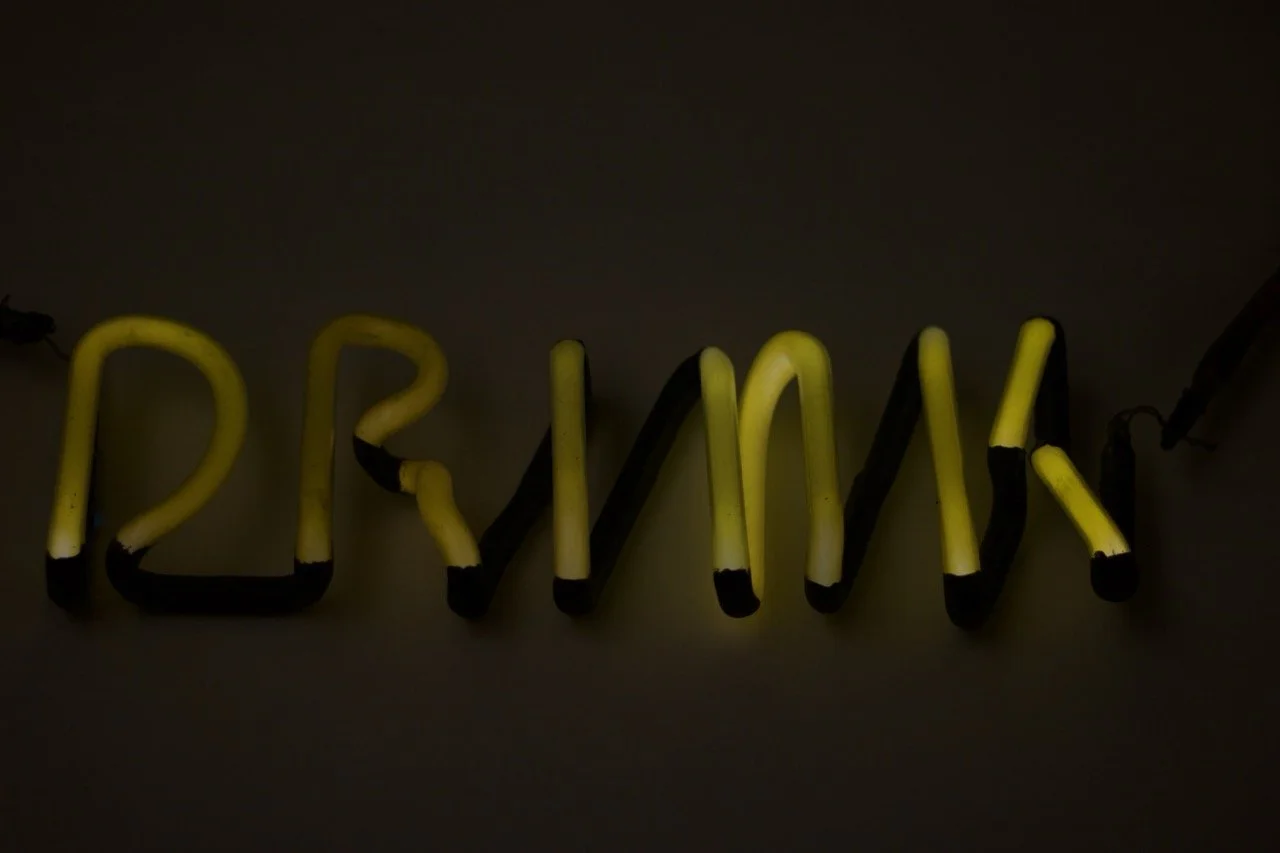
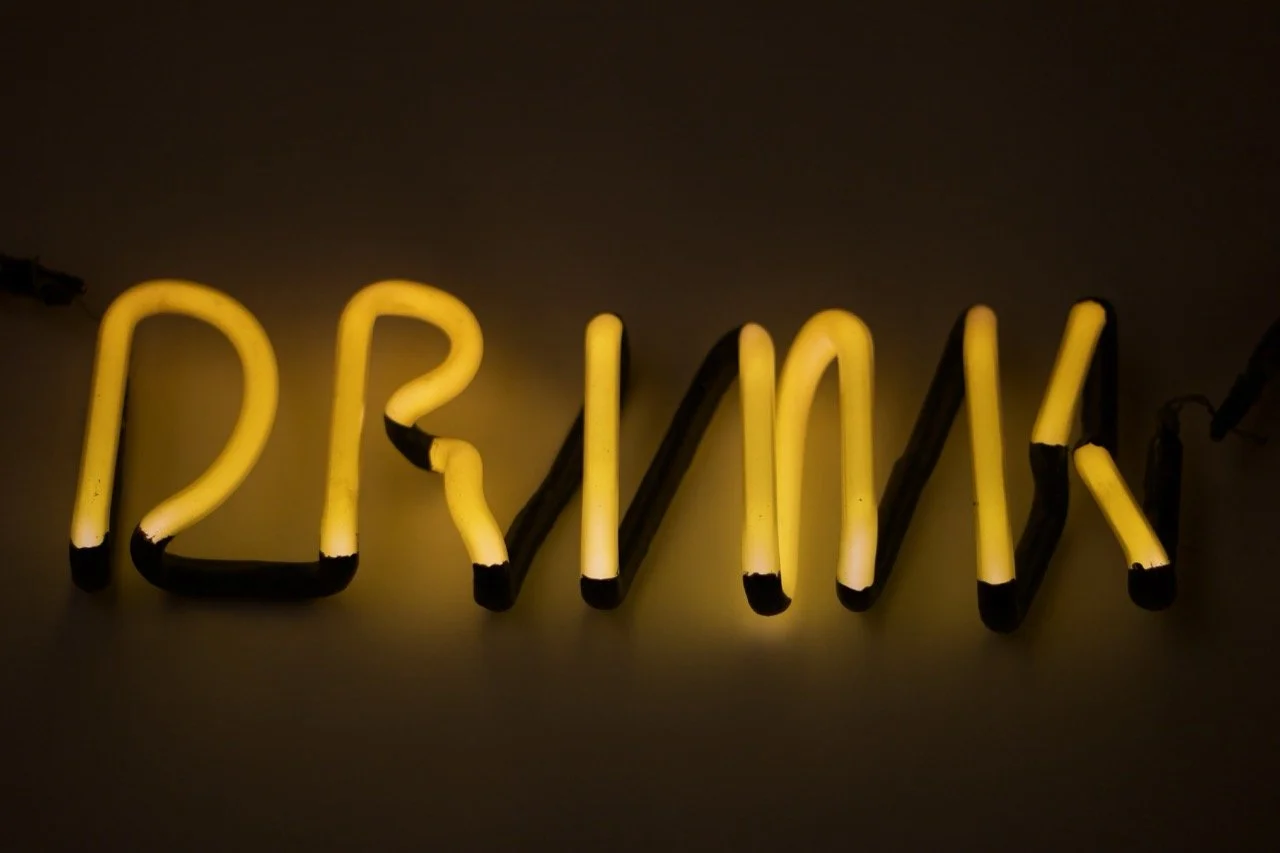
We left this old tube outside overnight in temperatures under 40°F to demonstrate the effect. When it’s first powered on, it looks dim and uneven, but after a short warm-up, it shines evenly again.
Neon signs are designed to run consistently and reliably, but like any lighting system, they can respond to temperature changes. In the Pacific Northwest, where winters are cool and damp rather than extremely cold, neon generally performs very well year-round. However, during sudden cold snaps or unusually low temperatures, you may notice a temporary change in brightness.
At Western Neon, we design our signs specifically for the PNW climate. We carefully match gas mixtures, tube diameter, and transformer type to each installation, so signs operate efficiently, maintain stable brightness, and deliver long-term performance without unnecessary energy use.
How Cold Weather Affects Neon
Neon produces light when energized gases inside a sealed glass tube glow. Under normal operating conditions, the gases used in neon signs behave very predictably and remain in a stable gaseous state, even in cold weather. Typical winter temperatures do not cause neon or argon to condense or fail.
When temperatures drop sharply, however, the gas molecules move more slowly, and the tube may require slightly more energy to ignite and maintain operation. This can temporarily reduce brightness or cause uneven illumination until the tube warms.
This effect is most noticeable during unusually cold weather rather than during typical winter conditions. A brief reduction in brightness during cold snaps is normal and does not indicate a problem with the sign.
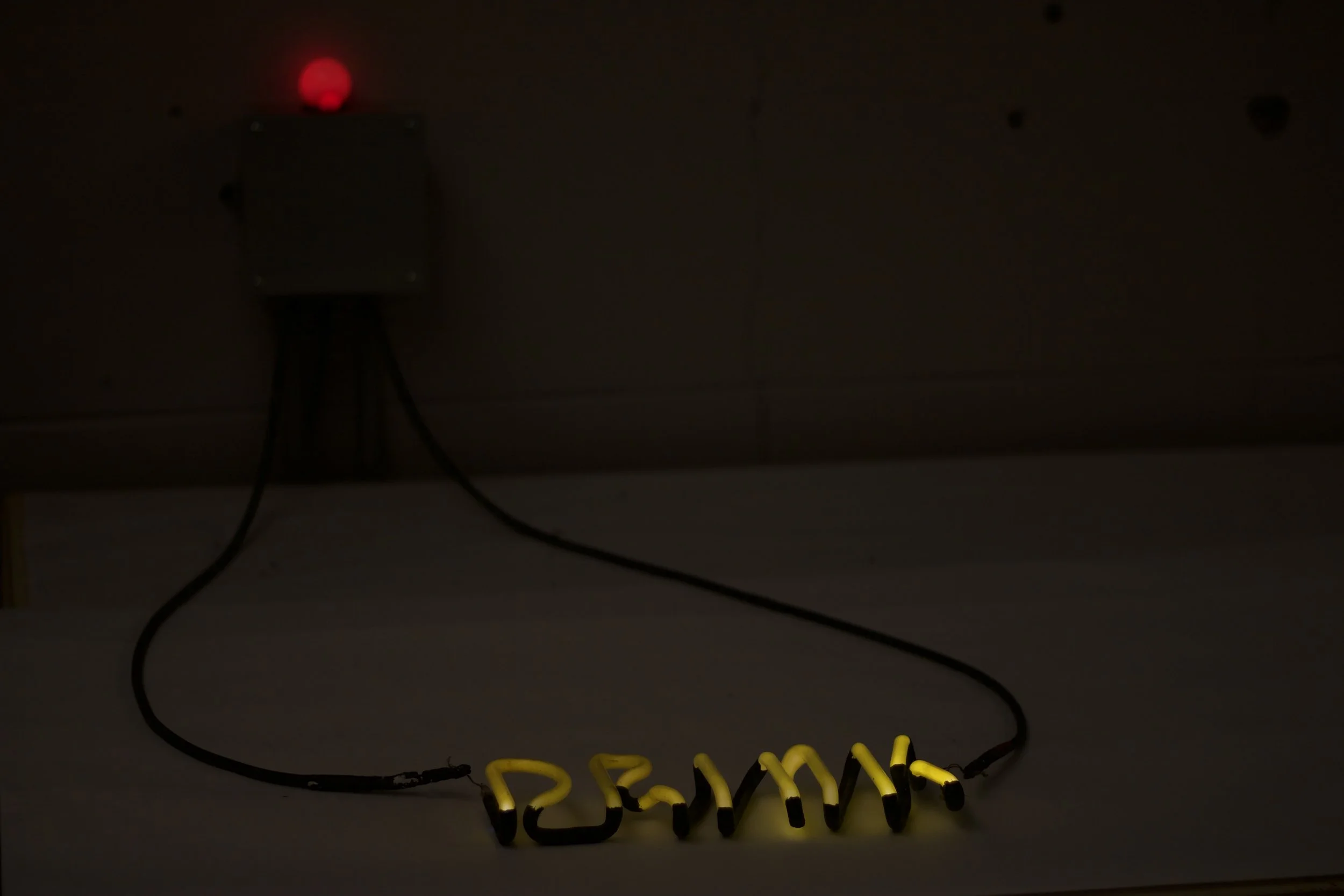
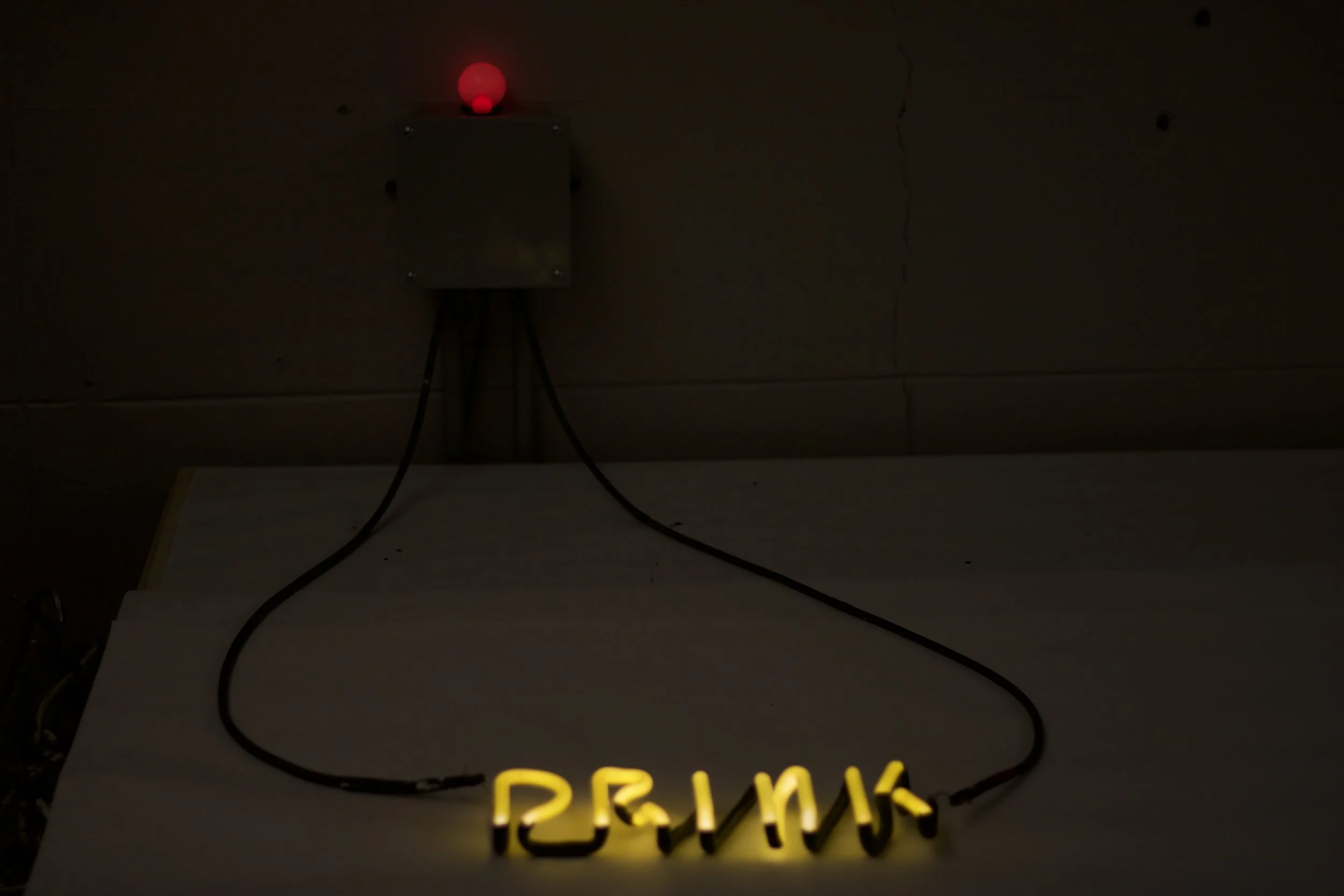
We left this old tube outside overnight in temperatures under 40°F to demonstrate the effect. When it’s first powered on, it looks dim and uneven, but after a short warm-up, it shines evenly again.
Heat, Tube Size, and Environmental Exposure
Not all electrical energy entering a neon tube becomes light. The portion that doesn’t is released as heat, which plays an important role in stabilizing performance.
How well a tube retains that heat depends on its volume relative to its surface area. Larger-diameter tubes retain heat more effectively, while smaller tubes can lose heat more quickly in cold or windy conditions. This is why tube diameter, exposure to wind, and mounting location all factor into how a sign performs during extreme cold.
In some cases, larger tubes may actually appear brighter during cold snaps because they maintain internal temperature more efficiently.
Cold-Weather Brightness Changes in Certain Tube Types
Some neon tubes contain a small amount of mercury to help with brightness and color consistency. Not all neon signs contain mercury, so this effect only applies to certain tube types and colors.
In very cold conditions, mercury can temporarily condense and shift within the tube. Because a neon sign is constantly energized and never reaches full thermal equilibrium, local environmental conditions, such as airflow or cold glass surfaces, can influence where the mercury settles. This is known as mercury migration and can cause temporary dimming or uneven brightness.
This behavior is temporary and does not harm the tube or shorten the life of the sign.
Transformers and Cold Weather Operation
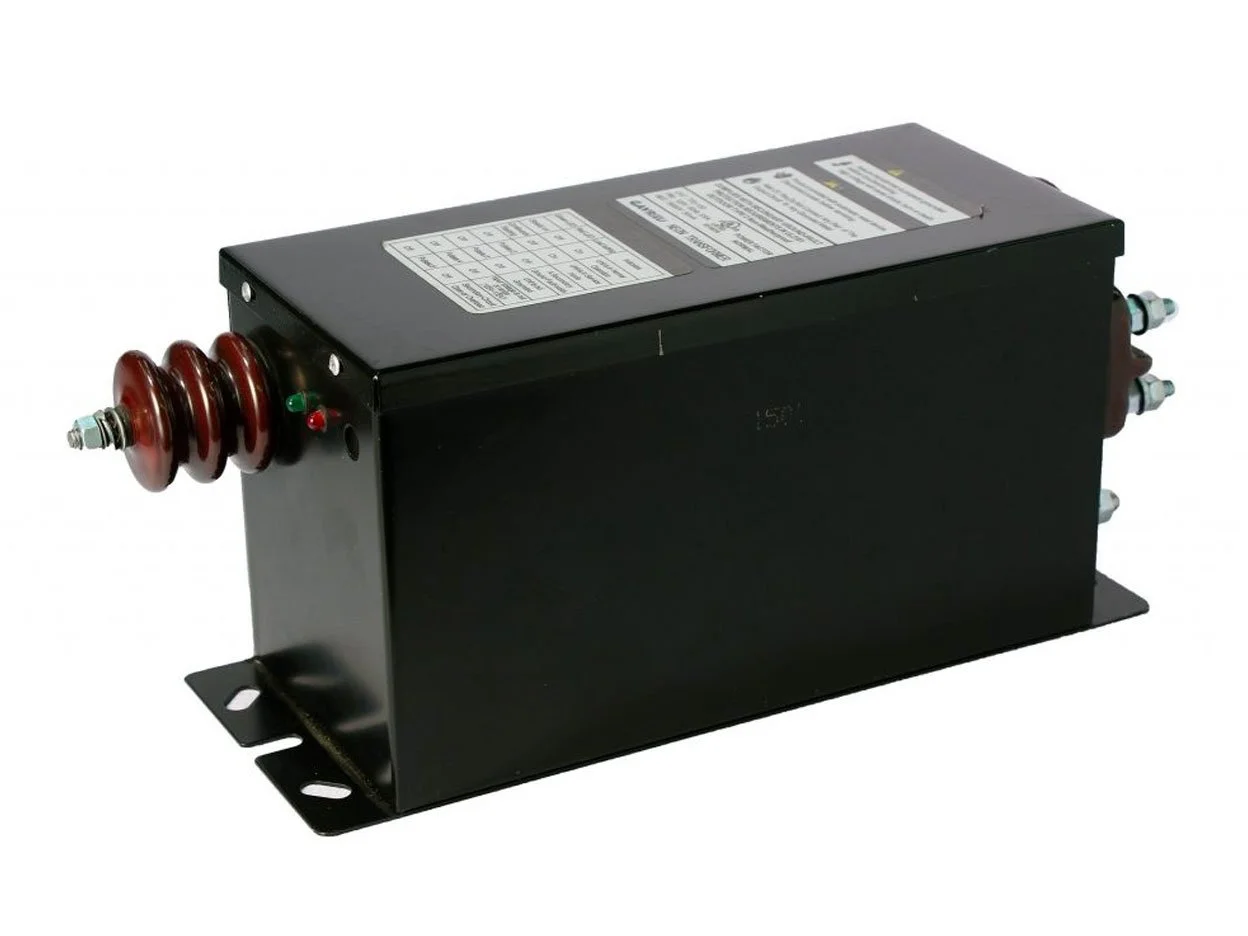
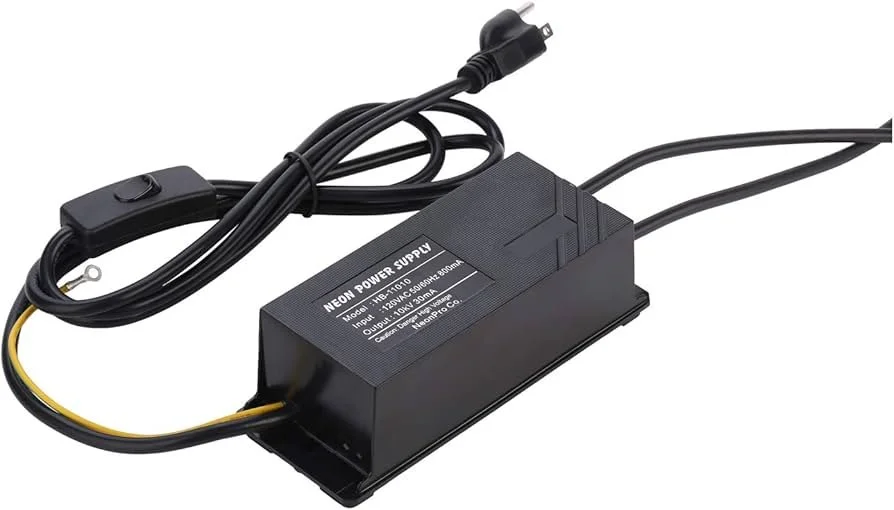
Electronic transformers operate at much higher frequencies than traditional magnetic transformers. In a magnetic transformer, polarity reverses 120 times per second, which helps keep the energized gases moving evenly throughout the tube.
Electronic transformers use a different waveform and higher operating frequency. Under unusually cold conditions, this can make temperature-related brightness changes more noticeable in certain tube designs, especially during start-up or initial warm-up.
Electronic transformers are widely used because they are smaller, lighter, and more energy-efficient than traditional magnetic transformers. To perform well in cold weather, they must be carefully matched to tube length, diameter, gas mixture, and installation environment.
In lower temperatures, neon tubes may require slightly higher ignition and operating voltage. This increases internal heat, which helps stabilize operation and restore normal brightness as the sign warms.
Transformer loading is carefully balanced so each sign operates efficiently without excessive voltage or energy use, reducing electrical stress and supporting stable brightness over time.
These cold-weather effects are temporary and typically improve once the sign has been powered continuously and reaches normal operating temperature.
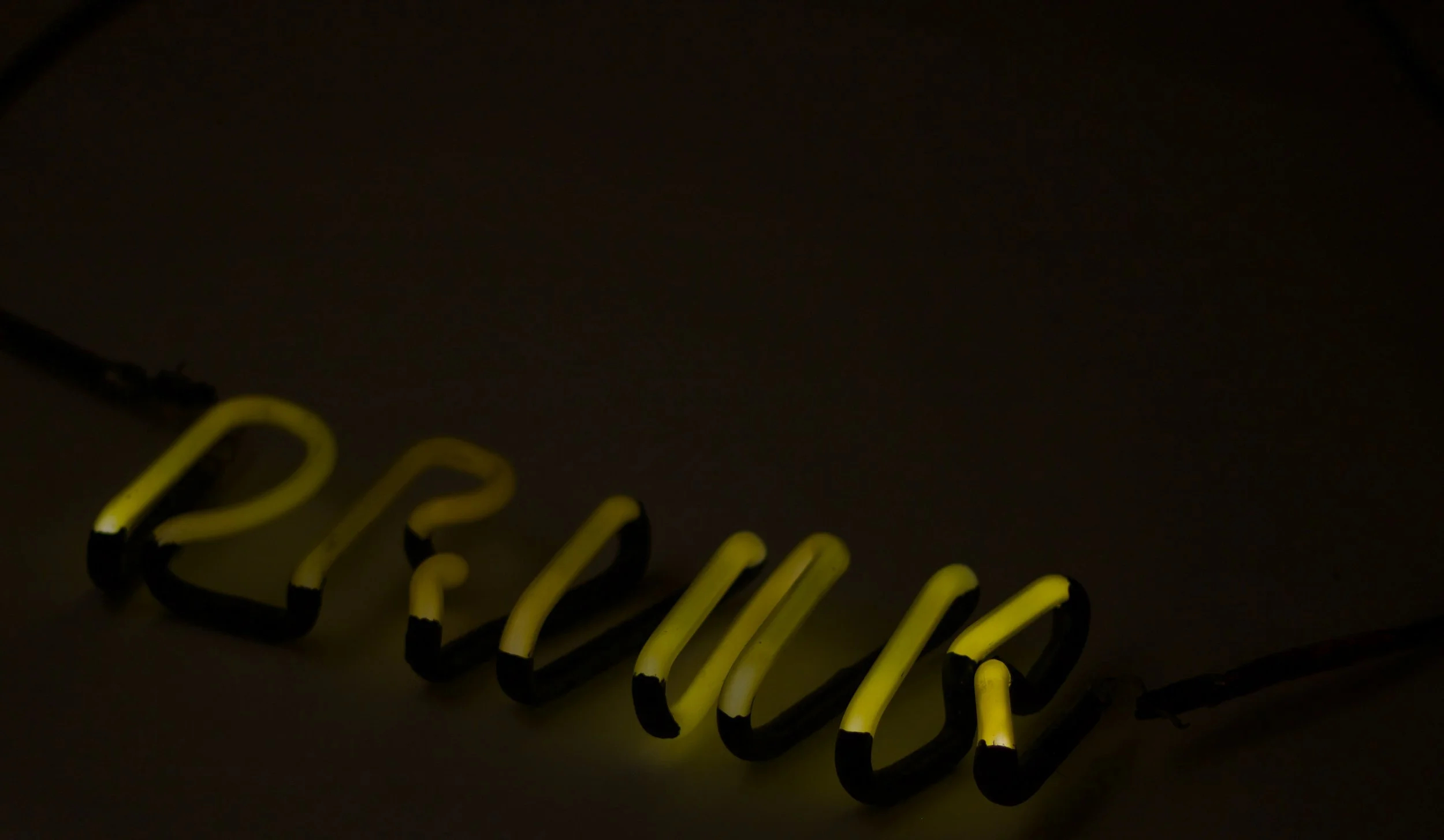
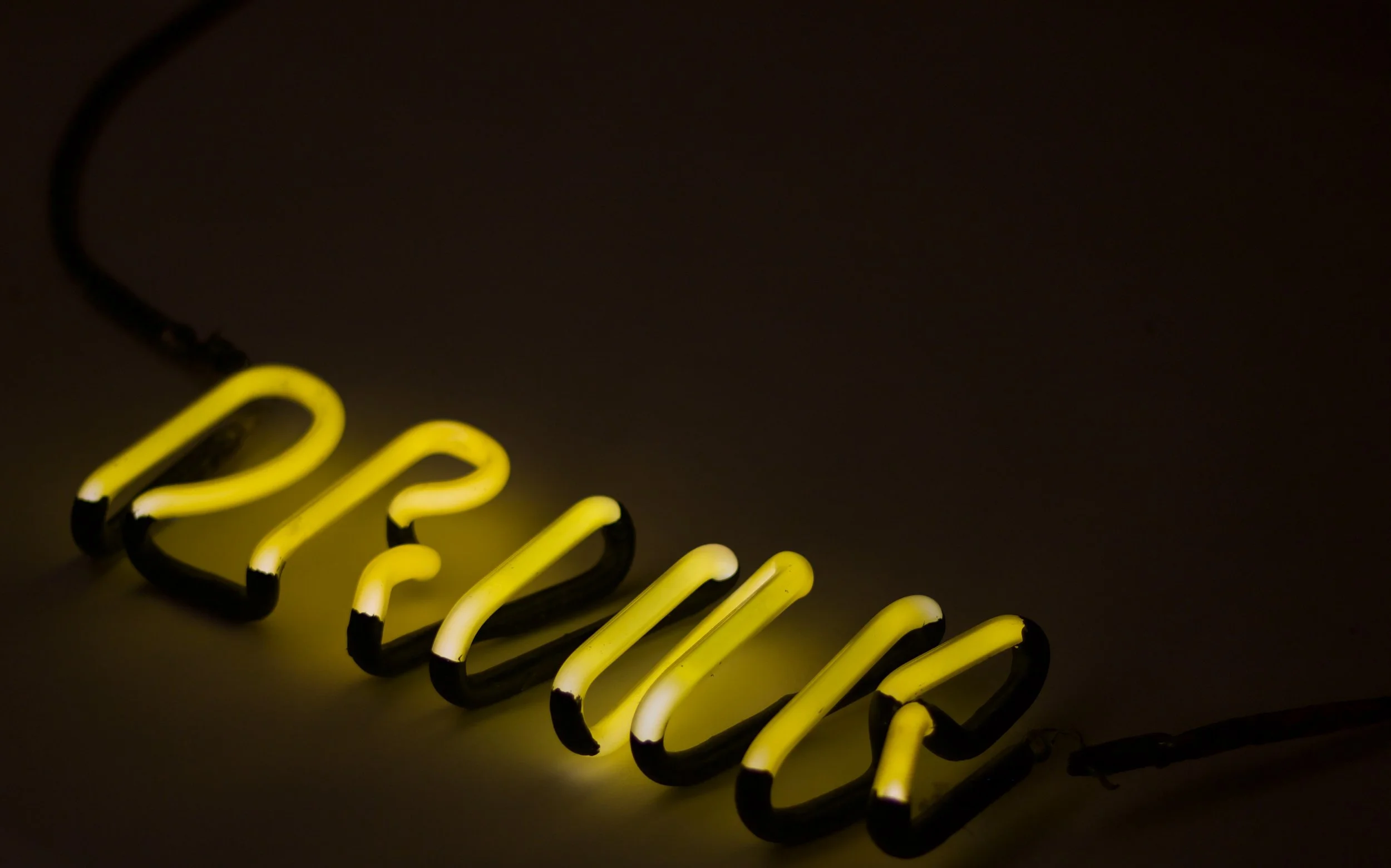
We left this old tube outside overnight in temperatures under 40°F to demonstrate the effect. When it’s first powered on, it looks dim and uneven, but after a short warm-up, it shines evenly again.
What It Looks Like
Dimming near the start of the tube
Uneven brightness along the sign
Slow warm-up when first turned on
This is a temporary temperature-related effect and does not mean the sign is damaged or losing gas.
While cold weather can cause temporary visual changes, it’s important to view those effects in the context of a neon sign’s overall lifespan.
Longevity and Long-Term Weather Performance
One of neon’s greatest strengths is its longevity. A properly designed and built neon sign can operate reliably for many decades, even in outdoor environments exposed to seasonal temperature changes, moisture, and wind.
Neon signs are constructed from sealed glass tubing and simple electrical components with very few points of mechanical failure. Because the light is produced by energized gas rather than solid-state elements, performance remains stable over time. When service is needed, individual components can often be repaired or replaced without rebuilding the entire sign.
In climates like the Pacific Northwest, where temperatures are generally moderate but weather exposure is constant, neon has proven to be exceptionally durable. Cool ambient temperatures, combined with proper tube design and transformer loading, support stable operation and long service life. Many neon signs continue operating for decades with only routine maintenance.
From a long-term perspective, durability and serviceability are key advantages of neon. A sign that can be maintained, repaired, and kept in operation for generations offers lasting value and a reduced need for replacement over time.
What You Can Do During Cold Weather
To keep your neon sign looking its best during cold snaps:
Leave the sign on for longer periods
Avoid frequent on/off cycling
In rare cases of extreme cold, allow up to 24 hours of continuous operation
Neon signs are designed for steady operation, and consistent power helps maintain brightness and stability.
When to Contact Us
If your sign remains dim after being on for several hours, or if the dimming doesn’t improve as temperatures rise, we’re happy to evaluate it. Most cold-weather brightness issues are temporary, but a professional check can confirm proper performance.

Western Neon creates custom signage, interiors, and public art. With 40 years of experience, we make your vision a success from the first idea to the finishing touch. Start a project today!